
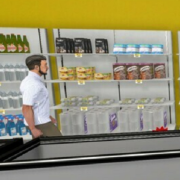
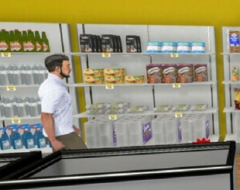













Supermarket Simulator is a management game focused on running a small retail store through direct control and routine decision-making. The player starts with an empty shop and a limited budget, then gradually builds a functioning supermarket by stocking products, setting prices, and serving customers. The game is played from a first-person perspective, which places the player directly inside the store and turns everyday operations into the main form of interaction. There is no scripted story, and progress depends on how effectively the store is managed over time.
Store layout and daily operations
The supermarket space begins as a simple room that can be expanded as income grows. The player decides where to place shelves, refrigerators, and checkout counters, and poor organization can slow down customer flow. Daily operations include ordering goods, unpacking boxes, and placing items on shelves manually. Customers enter the store with basic needs and limited patience, which requires attention to stock levels and queue management. The environment remains consistent, encouraging familiarity with the space rather than exploration.
As the store becomes busier, multitasking becomes more important. The player may need to restock shelves while also handling the cash register. There are no automated systems at the start, so time management plays a central role. Mistakes do not end the game immediately, but repeated inefficiency can reduce profits and slow expansion.
Economic systems and management
Supermarket Simulator uses simple economic rules that are easy to understand but require regular adjustment. Prices can be set manually, and customers react to changes in cost and availability. Running out of essential items can lead to lost sales, while overpriced goods may remain unsold. The balance between supply, demand, and pricing forms the core challenge.
Key management tasks include:
· ordering products from suppliers
· restocking shelves by hand
· setting and adjusting prices
· operating the cash register
· monitoring daily income and expenses
Progression and expansion
As profits increase, new products and store upgrades become available. The player can expand the shop floor, add more shelves, or unlock additional item categories. Each expansion increases potential income but also adds complexity. More customers mean more work, and the lack of staff in early stages keeps responsibility on the player.
Progression is gradual and does not rely on objectives or missions. Instead, growth feels tied to consistency and planning. The game allows recovery from poor decisions, but improvement requires steady attention to store performance rather than quick fixes.
Supermarket Simulator emphasizes routine, repetition, and direct involvement in basic retail tasks. By placing the player inside the store and removing abstract menus, the game turns simple management actions into the core experience. Its structure supports long-term play built around incremental growth and operational control rather than narrative or challenge-based progression.
