
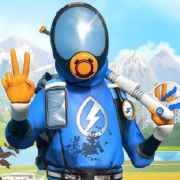
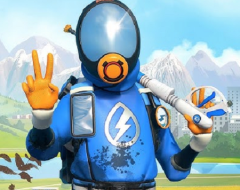










PowerWash Simulator 2 continues the concept of task-based cleaning through first-person interaction with large objects and environments. The player operates pressure washing equipment to remove dirt from surfaces, completing jobs that are divided into clear sections. The focus is on methodical work rather than speed or challenge. Each task is structured around coverage and accuracy, encouraging steady progress through visible results instead of scores or timers.
Work environments and structure
The game presents a range of locations that function as job sites rather than narrative spaces. Vehicles, buildings, and public areas are treated as surfaces to be cleaned piece by piece. Each location is segmented into smaller components that must be completed individually, which helps players track progress without external guidance. The environments are designed to remain static, allowing attention to stay on the cleaning process rather than movement or exploration.
Jobs can be approached in any order, and players are not forced to follow a specific sequence. This flexibility allows different working styles, such as completing small sections first or focusing on larger areas. Visual indicators help identify remaining dirt, but the player still needs to control distance, angle, and tool selection to complete tasks efficiently.
Tools and interaction systems
PowerWash Simulator 2 expands the available equipment while keeping controls consistent. Different nozzles and pressure settings affect how surfaces respond, making tool choice an important part of the process. There are no penalties for inefficiency, which allows experimentation without consequence.
Core interaction elements include:
· selection of pressure washers and nozzles
· adjustment of spray angle and distance
· cleaning segmented object surfaces
· tracking completion percentages
· switching between job locations
Progression and pacing
Progression is tied to job completion rather than character development. As players finish tasks, new locations and equipment become available. There is no difficulty curve based on failure; instead, complexity increases through larger environments and more detailed objects. The pacing remains controlled by the player, making the game suitable for both short and extended sessions.
There are no time limits or competitive elements. This design allows players to focus on consistency and precision. Tasks can be paused and resumed without affecting progress, reinforcing the game’s emphasis on routine and repetition.
PowerWash Simulator 2 is built around clear objectives and visible outcomes. By removing pressure and scoring systems, it centers attention on process rather than performance. The game provides a structured framework where completion is achieved through steady input and observation, making each task independent while contributing to overall progression.
