
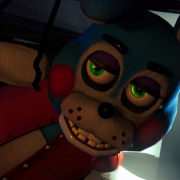
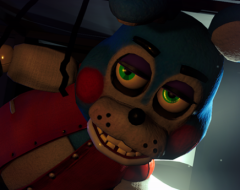










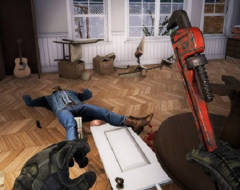



FNAF Rewritten 87 is a fan-made reinterpretation of the second chapter of the Five Nights at Freddy’s universe. The project does not attempt to copy the original game scene by scene, but instead rebuilds familiar ideas using altered logic, pacing, and structure. Players once again take the role of a night guard inside a closed pizzeria, where automated characters behave in ways that break normal expectations. The game relies on player awareness rather than reflexes, asking for careful observation and decision-making during each shift.
Structure and setting
The environment in FNAF Rewritten 87 is based on the known layout of Freddy Fazbear’s Pizza, but many locations function differently than in the official title. Cameras reveal areas that feel more isolated, and movement between rooms appears less predictable. The workplace itself feels like a system that is slowly losing control rather than a static building. Each night introduces small changes that affect how players interpret information from the surveillance system, forcing them to adapt instead of relying on memorized routes.
The story is delivered indirectly through gameplay details rather than direct exposition. Background sounds, visual glitches, and timed events suggest that something connected to the year 1987 has altered the rules of the location. There is no direct explanation given to the player, which encourages interpretation. This approach keeps the focus on interaction rather than narrative confirmation, allowing players to draw conclusions based on what they experience during each shift.
Gameplay systems
The gameplay centers on managing limited tools while tracking multiple threats at once. Cameras, lights, and defensive actions must be used with intention, as misuse can create new risks. The challenge increases not only through faster enemy behavior, but also through reduced reaction windows.
Key gameplay components include:
- a multi-camera monitoring system
- enemy patterns that change between nights
- limited-use defensive mechanics
- sound-based cues tied to enemy movement
- escalating difficulty without tutorials
Player experience and reception
FNAF Rewritten 87 has gained attention for how it reshapes familiar mechanics into something less predictable. Players who already understand the standard FNAF formula are often required to unlearn habits formed in earlier games. This creates a different learning curve, where failure becomes part of understanding the system rather than a simple mistake. The game is often discussed within fan communities as an example of how reinterpretation can create new tension without adding complex mechanics.
The project continues to be shared and discussed due to its focused design and willingness to challenge expectations. Rather than expanding the scope of the original game, FNAF Rewritten 87 narrows its attention to control, timing, and uncertainty, making it a notable entry within the wider fan-made FNAF scene.
