
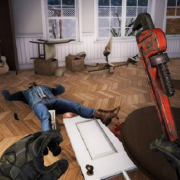
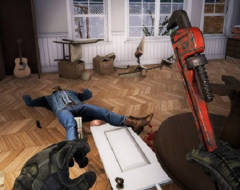














Crime Simulator is a simulation game that places the player inside a system focused on planning and execution of illegal activities within a controlled environment. The player operates from a first-person perspective and is responsible for choosing targets, preparing actions, and managing consequences. There is no linear story, and progress is shaped by how effectively the player understands systems such as timing, resources, and risk. The game emphasizes process rather than spectacle, asking the player to think through each step before acting.
World structure and player role
The game world is organized into locations that function as opportunities rather than narrative spaces. Buildings, streets, and interiors exist to support gameplay systems like access points, patrol routes, and item placement. The player is not guided by markers or constant instructions, which encourages learning through observation. Each location can be approached in different ways depending on preparation and available tools. The player’s role is defined by choice, as there are multiple methods to complete objectives or abandon them entirely.
Actions taken in one situation can affect future opportunities. Increased attention from authorities or changes in available resources create a sense of continuity. The environment itself remains stable, but how the player interacts with it determines the level of difficulty over time. This structure rewards consistency and planning over impulsive decisions.
Gameplay systems and mechanics
Crime Simulator relies on interconnected systems that operate simultaneously. The player must balance preparation with execution, as skipping steps can increase risk. There are no forced tutorials, and information is revealed through interaction rather than prompts.
Core gameplay elements include:
· scouting locations before action
· collecting and managing tools
· avoiding detection during execution
· handling consequences after completion
· adapting strategy based on outcomes
Risk and progression
Progression in Crime Simulator is not based on levels or experience points. Instead, it depends on access to better tools and safer opportunities. As the player succeeds, more complex scenarios become available. Failure does not end the game immediately but introduces additional pressure, such as increased surveillance or reduced options. This creates a loop where decisions carry weight beyond a single attempt.
There is no optimal path defined by the game. Players develop personal strategies based on risk tolerance and familiarity with systems. Some may prefer careful planning, while others rely on quick execution. The game allows both approaches but responds consistently to mistakes.
