

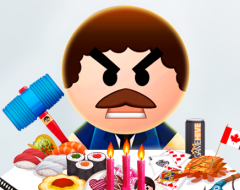



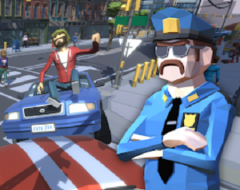
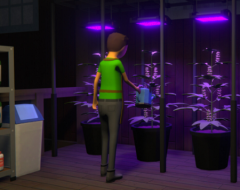


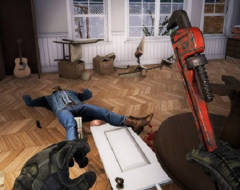



Beat The Boss 3 is a mobile game built around interaction with a single on-screen character placed inside a closed environment. The player is given control over various actions and items that can be used directly on the boss character. The core objective is not progression toward an ending, but repeated interaction that produces different reactions and outcomes. The game operates on a sandbox-style structure where experimentation is encouraged rather than guided by missions or goals.
Core idea and setting
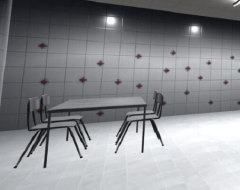
The entire experience of Beat The Boss 3 takes place in a confined room where the boss character remains present at all times. The setting changes slightly through backgrounds and environmental elements, but the focus stays on the interaction itself. The boss responds to player actions with animations, sounds, and physics-based movement. There is no dialogue system or narrative development, which places emphasis on cause and effect rather than story. The simplicity of the environment allows the player to concentrate on testing different tools and observing how the system reacts.
As players continue interacting, they unlock additional items and options. These unlocks are based on repeated use rather than performance or score. The game does not penalize mistakes, and there are no failure states. This design removes pressure and allows players to explore at their own pace. Progression is defined by access rather than achievement, which keeps the experience open-ended.
Tools and interaction mechanics
The main form of engagement comes from selecting and applying tools to the boss character. Each tool behaves differently depending on placement, timing, and combination with other elements. Physics play a central role, influencing how the boss reacts to force and movement.
Common interaction elements include:
· melee and ranged tools
· environmental hazards
· physics-based reactions
· unlockable categories of items
· reset and replay options
Player control and pacing
Controls are designed to be simple, relying on touch input to place or activate items. This allows quick experimentation without complex input sequences. The pacing is determined entirely by the player, as there are no timers or structured phases. Players can repeat the same interaction multiple times or switch tools rapidly. This flexibility supports short play sessions as well as extended experimentation.
Beat The Boss 3 functions as a system-driven experience rather than a traditional game. By removing objectives, scores, and narrative structure, it focuses on interaction and feedback. The game’s appeal comes from testing boundaries within a controlled environment and observing consistent responses. Its design prioritizes accessibility, repetition, and player-led pacing over progression or challenge.
