
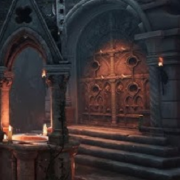

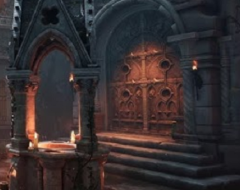




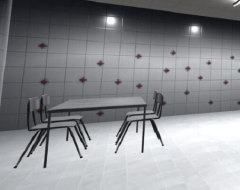



Escape Simulator 2 is a puzzle game built around first-person interaction with enclosed environments. The player is placed inside a series of rooms designed around logic-based challenges that must be solved to progress. Each room functions as a self-contained space with objects that can be examined, moved, or combined. The game focuses on observation and reasoning rather than time limits or mechanical difficulty. Progress depends on understanding how elements within a room relate to each other.
Room design and structure
The environments in Escape Simulator 2 are constructed as interactive spaces rather than static scenes. Every object placed in a room serves a purpose, even if that purpose is not immediately clear. Players are encouraged to inspect details, test assumptions, and revisit earlier observations. Rooms vary in size and layout, but all follow consistent internal rules. This consistency allows players to apply learned logic from earlier puzzles to later challenges.
The game supports both solo play and cooperative sessions. In cooperative mode, multiple players can interact with the same environment, share information, and divide tasks. Communication becomes part of the puzzle-solving process, as not all clues are visible from a single viewpoint at once. This structure changes how rooms are approached without altering the puzzles themselves.
Puzzle mechanics and interaction
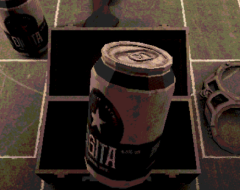
Puzzle design in Escape Simulator 2 relies on layered logic rather than hidden solutions. Players are not expected to guess, but to test interactions systematically. Objects can be rotated, examined closely, or combined with other items. The game does not provide direct hints unless requested, keeping responsibility on the player to interpret feedback from the environment.
Core interaction elements include:
· picking up and manipulating objects
· examining symbols, patterns, and text
· combining items to unlock mechanisms
· triggering environmental changes
· solving multi-step logical sequences
Progression and pacing
As players advance, puzzles increase in complexity by introducing more variables rather than new controls. Earlier mechanics are reused in different contexts, reinforcing understanding. There are no penalties for experimentation, which encourages trial and error. Rooms can be reset at any time, allowing players to revisit ideas without consequence.
The pacing remains flexible, with no forced progression speed. Players can spend extended time in a single room or move quickly through familiar concepts. This design supports both focused problem-solving sessions and longer cooperative play.
